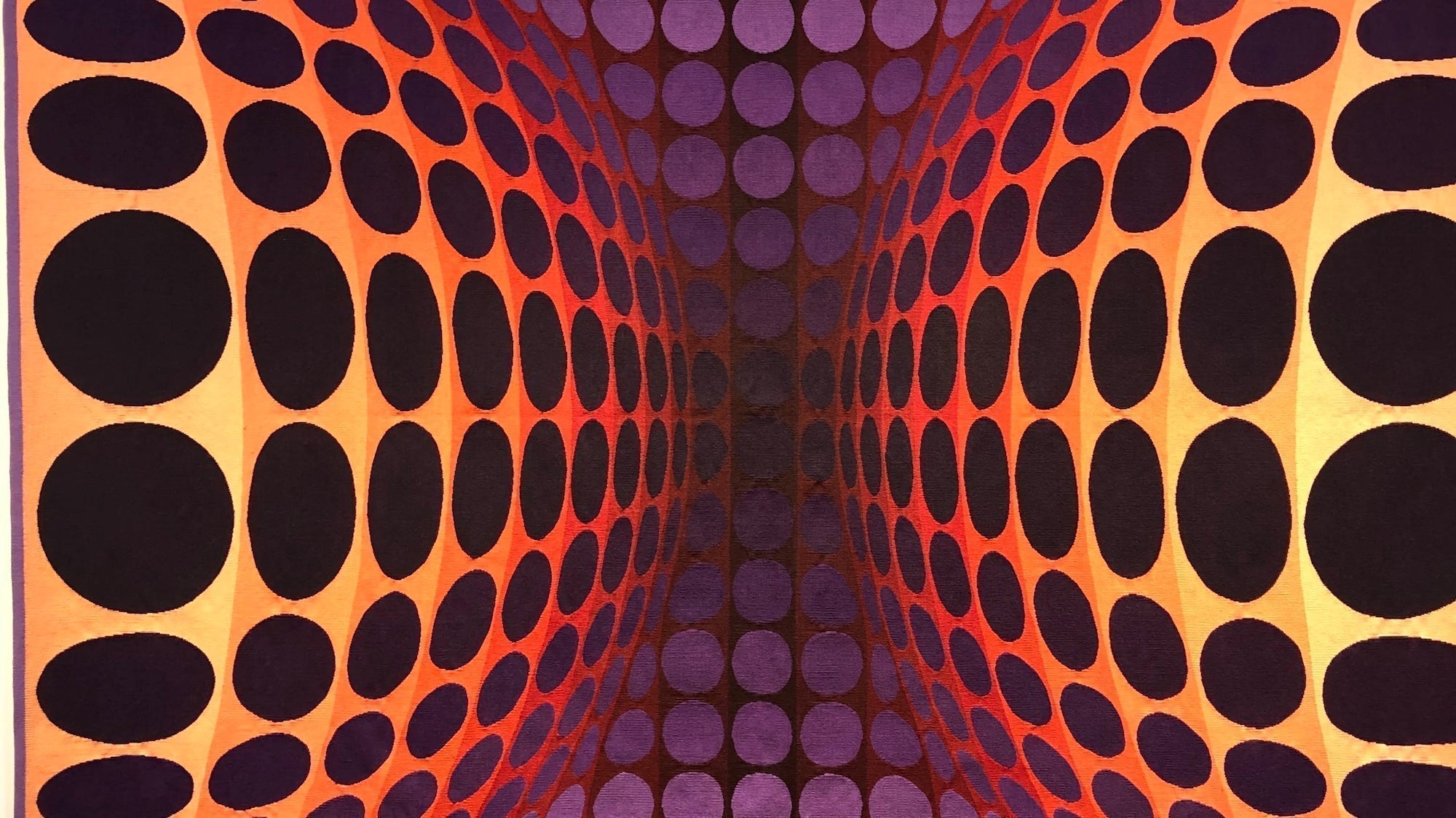
Developing the Optical Abstraction: How Victor Vasarely Found His Own Style
It is sometimes assumed that when we talk about “arts and sciences” we are talking about distinctly different things. Science is about studying things, after all, whereas art is about creating things. But don’t scientists also create and artists also study? And isn’t imagination integral to both? Victor Vasarely was both a scientist and an artist. The father of a Modernist abstract art movement known as Op-Art, he comfortably inhabited both worlds. Initially trained in medicine, Vasarely approached art from a systematic perspective. He analyzed the formal qualities of what constituted an aesthetic object. He studied nature in search of the building blocks of the visual universe. And he analyzed the way viewers perceived the visual universe in search of how art could help reveal fundamental truths. From the 1920s when he conducted his earliest aesthetic experiments, through the 1960s when he revealed his ultimate creation, the “Alphabet Plastique,” till the end of his life at age 90, Vasarely approached his art from a viewpoint that simultaneously included creativity and analyses. Along the way he altered how humans view two-dimensional space and created a body of work that even decades after his death continues to inspire artists, art lovers, designers and scientists alike.
Victor Vasarely: the Scientist
In 1906, when Victor Vasarely was born, artists and scientists were equally respected. In Budapest, where Vasarely went to university, it wouldn’t have been unusual for members of both fields to interact with each other, especially in the bustling cafés along the banks of the Danube, which were centers of the European intellectual scene. When Vasarely first entered university, it was to study to become a doctor at the University of Budapest’s School of Medicine. But two years into the program he abruptly changed direction and decided to devote himself to studying art.
But though his subject matter changed, his approach to learning did not. In 1927, at the age of 21, Vasarely enrolled in a private art school where he received formal training as a painter. He excelled as an art student, and while honing his aesthetic skills he also continued reading books by the leading scientists at the time. One of his favorite authors to read at this time of his life was Niels Bohr, who in 1922 received the Nobel Prize for his study of atomic structure. In quantum physics, the Bohr model depicts the structure of an atom as being similar to that of the structure of the solar system. Visually, it resembles a circle surrounded by larger circles, a pattern Vasarely would explore repeatedly in his art.

Victor Vasarely - Harlequin Sportif, ca. 1988 - © Victor Vasarely
Building his Case
Through his dual study of art and science Vasarely began to formulate a theory that the two modes of thought intersected in a way that when perceived together could, as he said, “form an imaginary construct that is in accord with our sensibility and contemporary knowledge.” In 1929, he enrolled at Budapest’s Mühely Academy, which at the time was Hungary’s equivalent of the Bauhaus. His studies there focused on the concept of a total art based on geometry. He experimented with geometric abstraction and began to understand how optical illusions could be created through the arrangement of geometric shapes and colors on a two-dimensional surface. A comparison of one of his Mühely Academy paintings titled Etudes Bauhaus C to a painting he made in 1975 titled Vonal-Stri demonstrates Vasarely’s life-long and single-minded focus on the possibilities of geometry to express the intersection of science and art.
After leaving the Mühely Academy, Vasarely moved to Paris, got married and had two children. He supported his family as a graphic artist, pursuing his art at night. Whereas his day job required a clean, precise style, his art practice was open to his imagination. He developed a personal style steeped in both. It manifested in his “Zebra” (see FAQ 9) and “Harlequin” (see above) paintings, series that he returned to throughout his life, and in paintings like “The Chessboard” below.

Victor Vasarely - Chessboard, 1975 - © Victor Vasarely
The "Wrong Path" and the Kinetic Awakening
After 14 years working on dual careers in Paris, Vasarely finally received his first major exhibition. It was well enough received that he was convinced that he could commit full time to being an artist. It was around this time that he took a departure from the visual style he had been creating. While vacationing on an island in Brittany, he took notice of the way waves affected the landscape, especially how they altered the coastline and shaped the stones. This observation led him down a path toward a sort of biomorphic geometric abstraction as he attempted to connect with a visual manifestation of the natural geometry of the organic world.
Although Vasarely later referred to this time in his life as “the wrong path,” it resulted in an important evolution in his work. It added more rounded elements to his paintings. When he returned to his previous geometric style it was with the inclusion of dynamic rounded forms that seemed to bulge outward from the painting or collapse inward from the surface. The way these forms tricked the eye it seemed as though the image was moving. That kinetic illusion, combined with the three-dimensionality of the images on Vasarely’s canvases, became the foundation for iconic aesthetic we now call Op-Art.

Victor Vasarely - Untitled #8 (pink and turquoise sphere) - © Victor Vasarely
The Yellow Manifesto: Art in Motion
In 1955, Vasarely exhibited some of his work in an exhibition of kinetic art called “Le Mouvement” in Paris. To accompany his work he published an essay called Notes for a Manifesto. Printed on yellow paper, the essay has since come to be known as The Yellow Manifesto. In it Vasarely declared, “We are at the dawn of a great age.” He insisted that labels such as painting and sculpture were outdated since artists such as Arp, Kandinsky, Mondrian and Calder had destroyed the artificial separations between the plastic arts. He declared that since all aesthetic phenomena are manifestations of the same impulse, it was time to regard all artistic achievements as part of “a single plastic sensibility in different spaces.”
Vasarely’s contribution to this “great age” is clear when looking at the paintings he made during this time in his life. His work completely redefined the viewer experience of a two-dimensional work of art. He created the perception that space existed where space did not exist. The viewer experience was transformed to exist entirely within the viewer’s mind. The forms that reside on one of Vasarely’s canvases are formal and scientific, and yet when interpreted by the eye they assume qualities that seem to defy the scientific facts of spatial reality.

Victor Vasarely - Papillon, 1981 - © Victor Vasarely
The Plastic Alphabet: Aesthetic Programming
At the height of his popularity in the 1960s, Vasarely created what would represent the culmination of his life’s work. He described what he called the Plastic Alphabet, a symbolic visual language based on geometric forms and colors. There were 15 forms in the alphabet, all based on variations of the circle, the triangle and the square, and each of the forms existed in a range of 20 different hues. Each form was portrayed within a square frame, and the shape and its surrounding frame were presented in different hues. The Plastic Alphabet could be arranged into a seemingly infinite assortment of combinations and utilized to create an evidently endless array of images.
The concept that Vasarely explicitly implied with his Plastic Alphabet was that through its implementation, the creative act could be conducted through a purely scientific process. On one hand it was dehumanizing, as it represented a form of programming, like a proto-artificial intelligence that could take over the process of making art. On the other hand it was humanizing, as it democratized and demystified the creative process, allowing anyone to engage in a creative aesthetic activity.

Victor Vasarely - Titan A, 1985 - © Victor Vasarely
Art For All
It is fitting that the contribution for which Vasarely is most remembered is a form of disruption. Not only did his visual work distort the surface of two-dimensional art, but his ideas and his Plastic Alphabet also distorted the surface of the culture. Vasarely’s friends, colleagues and followers enthusiastically recall that one of his mottos was “art for all.” He was thrilled to see his art included on clothing, postcards, commercial products and advertisements. He foresaw that in the future the only way art could remain relevant was if every human being could participate in its enjoyment.
Not only can we see echoes of Vasarely’s art in the products of contemporary art and design, we also see echoes of his philosophy in the digital community and the global culture to which it has contributed. By creating a style of fine art that could have universal appeal across artificial social divisions, Vasarely created something unique: a sincere and joyful aesthetic experience that, although abstract, can easily be enjoyed by anyone who can see. And perhaps more valuable still he shared a vision of a future in which art and science work together toward a more interesting and equitable world.
The Living Legacy: Contemporary Perceptual Masters
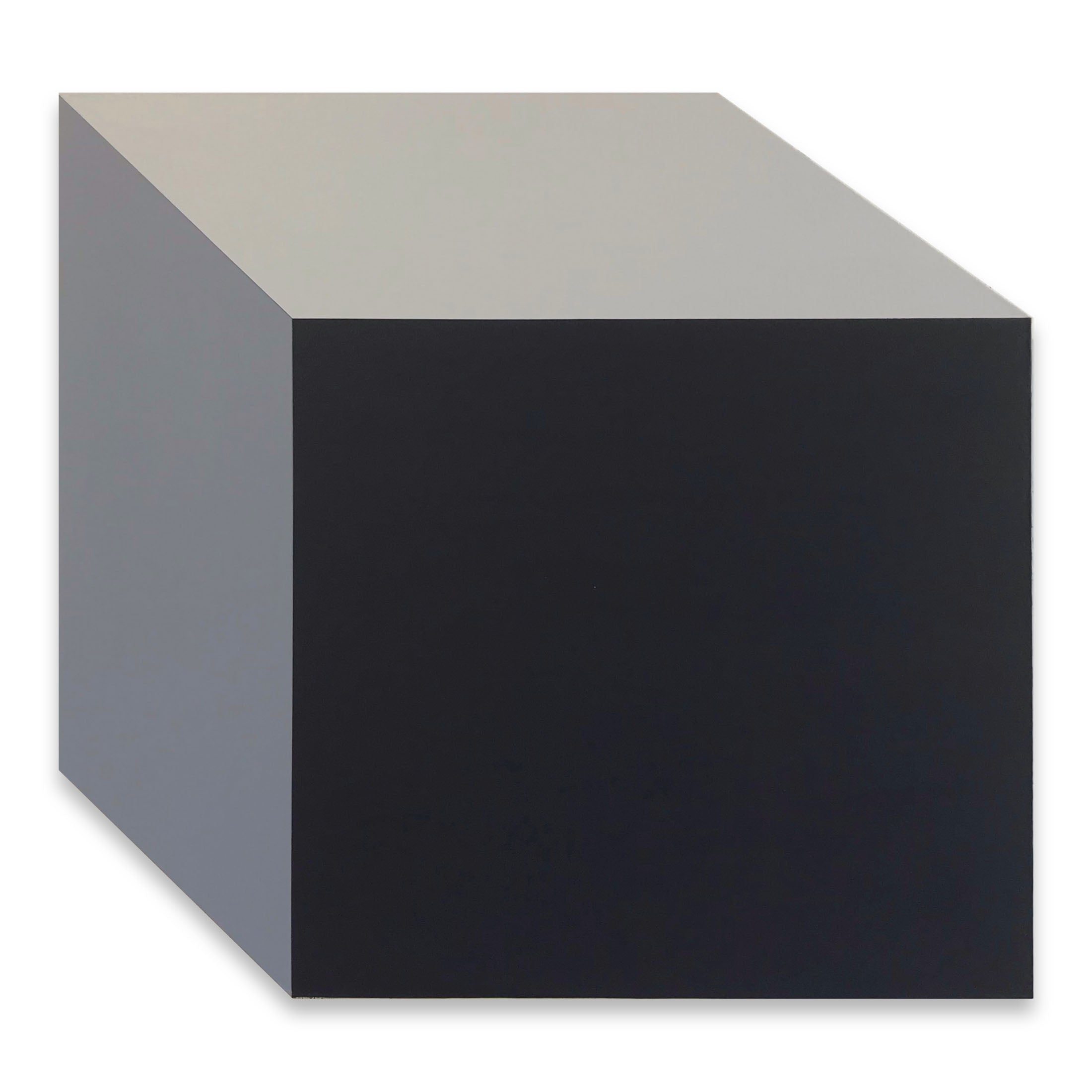
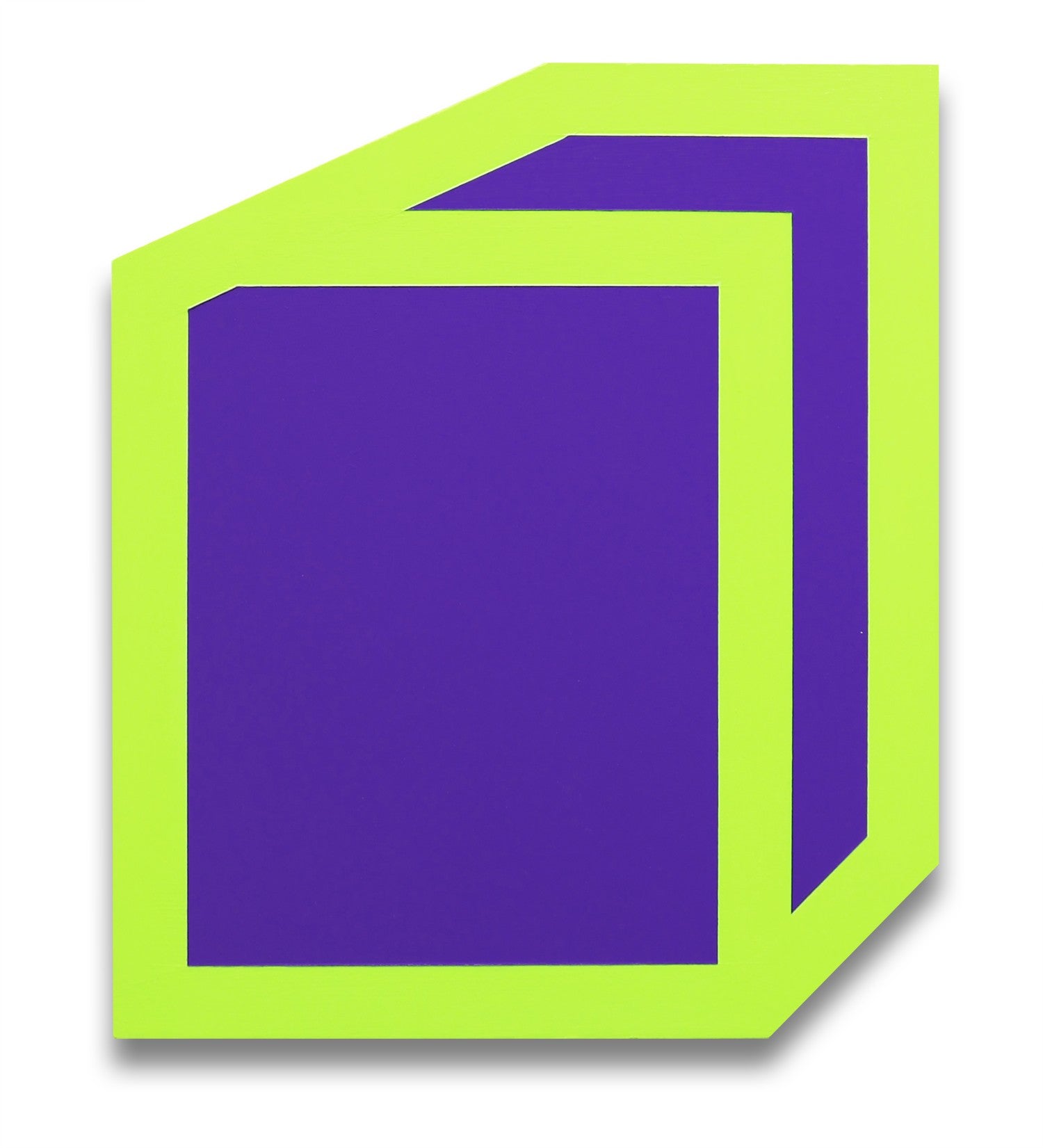
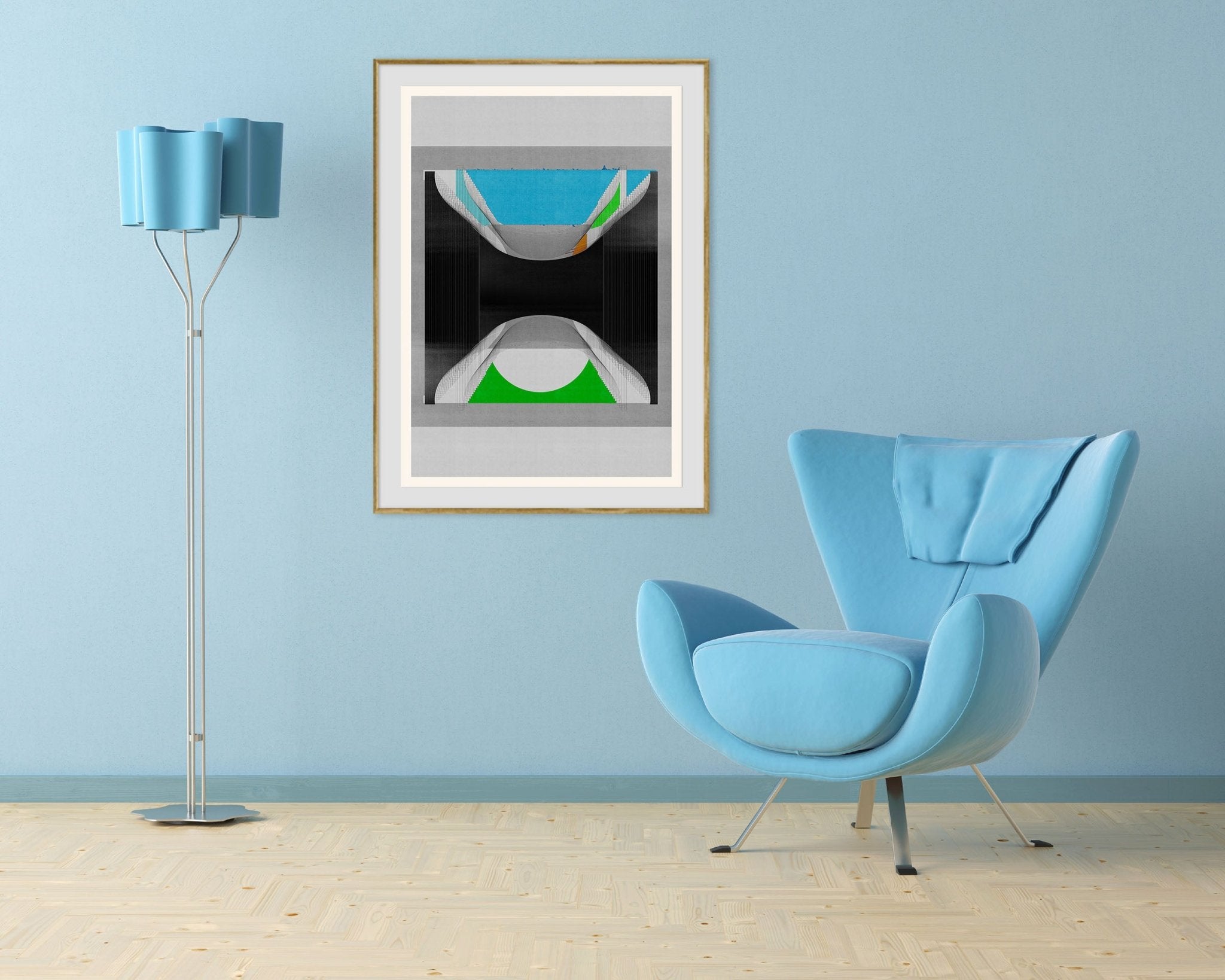
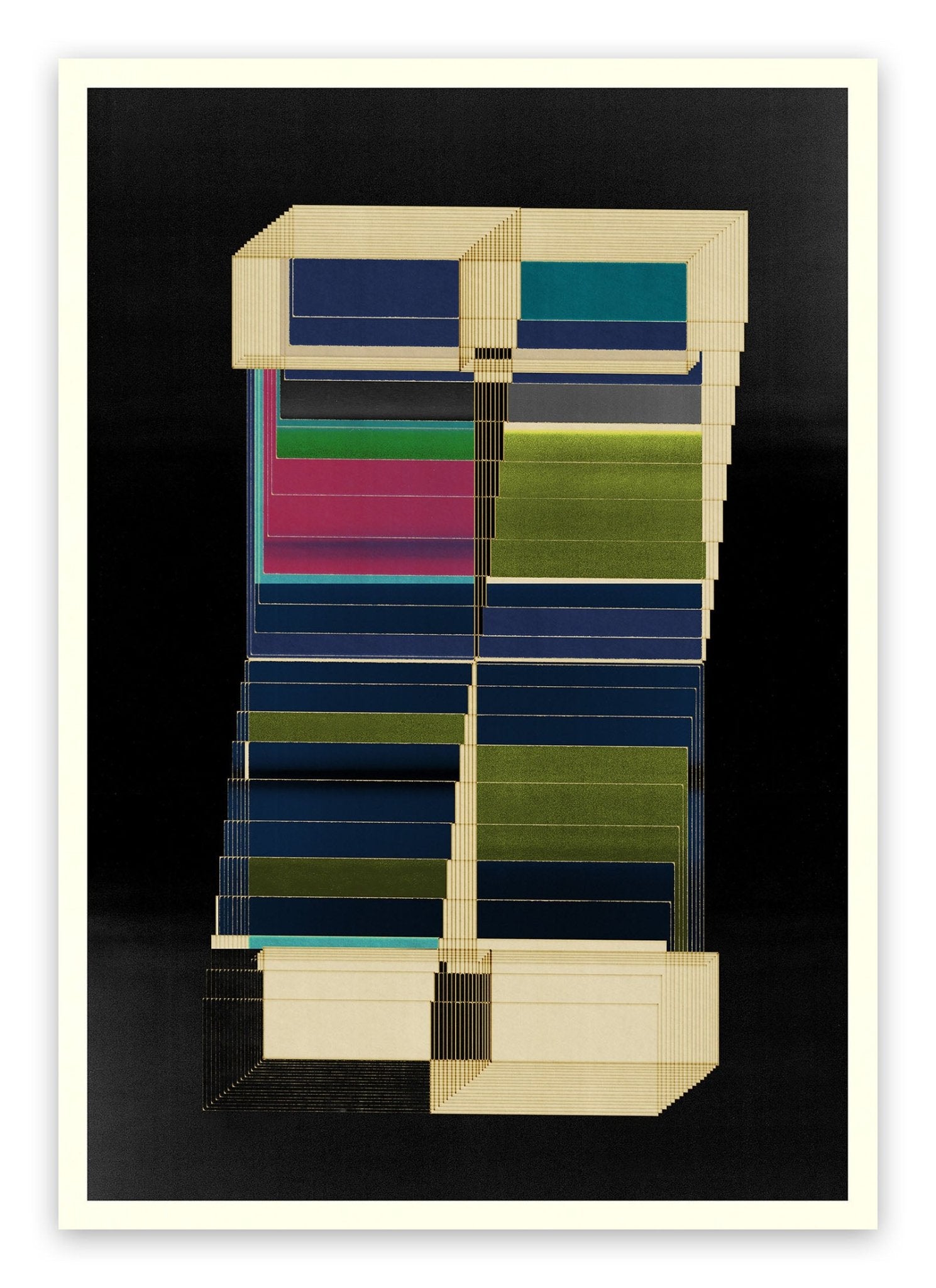
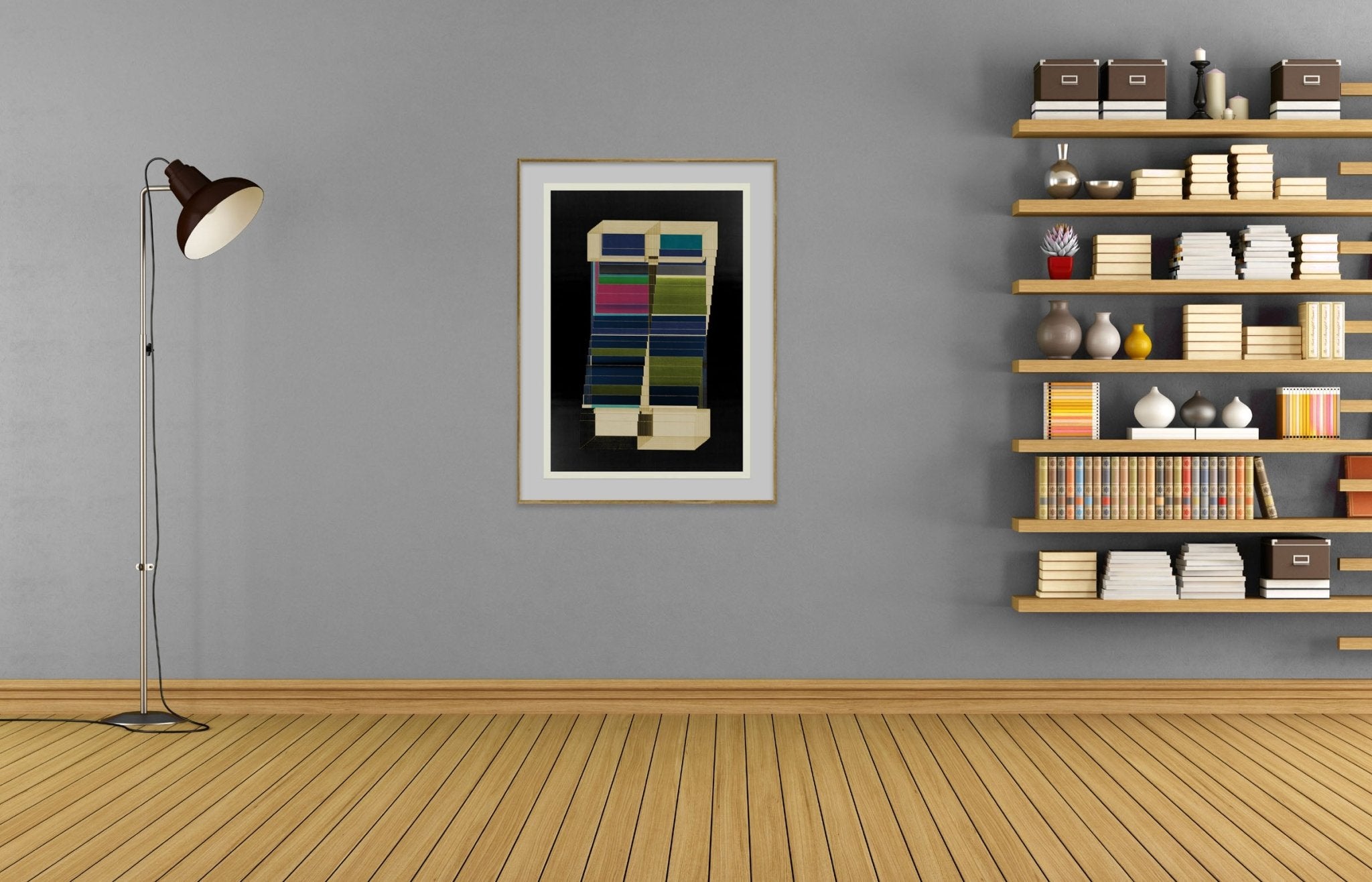
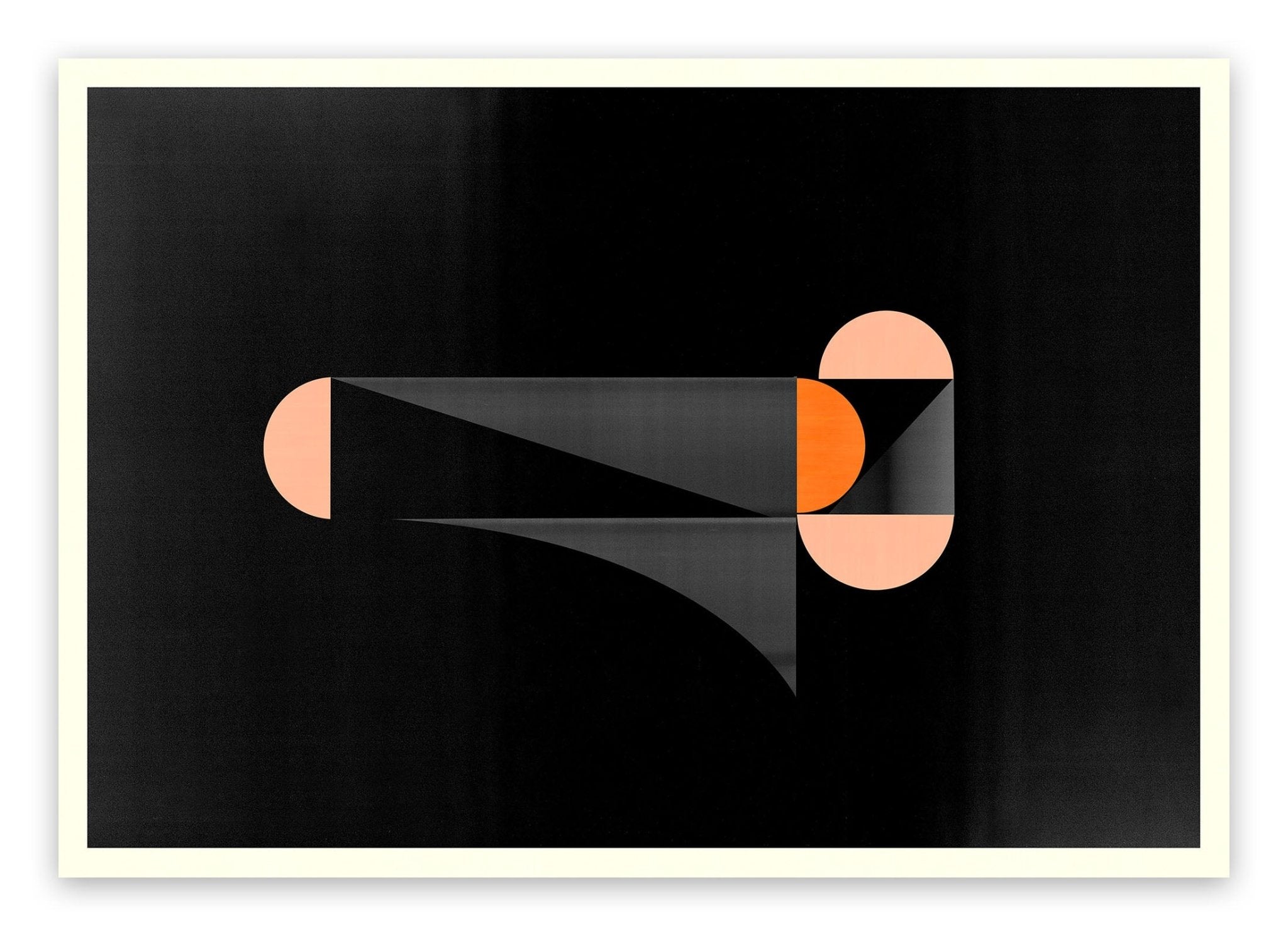
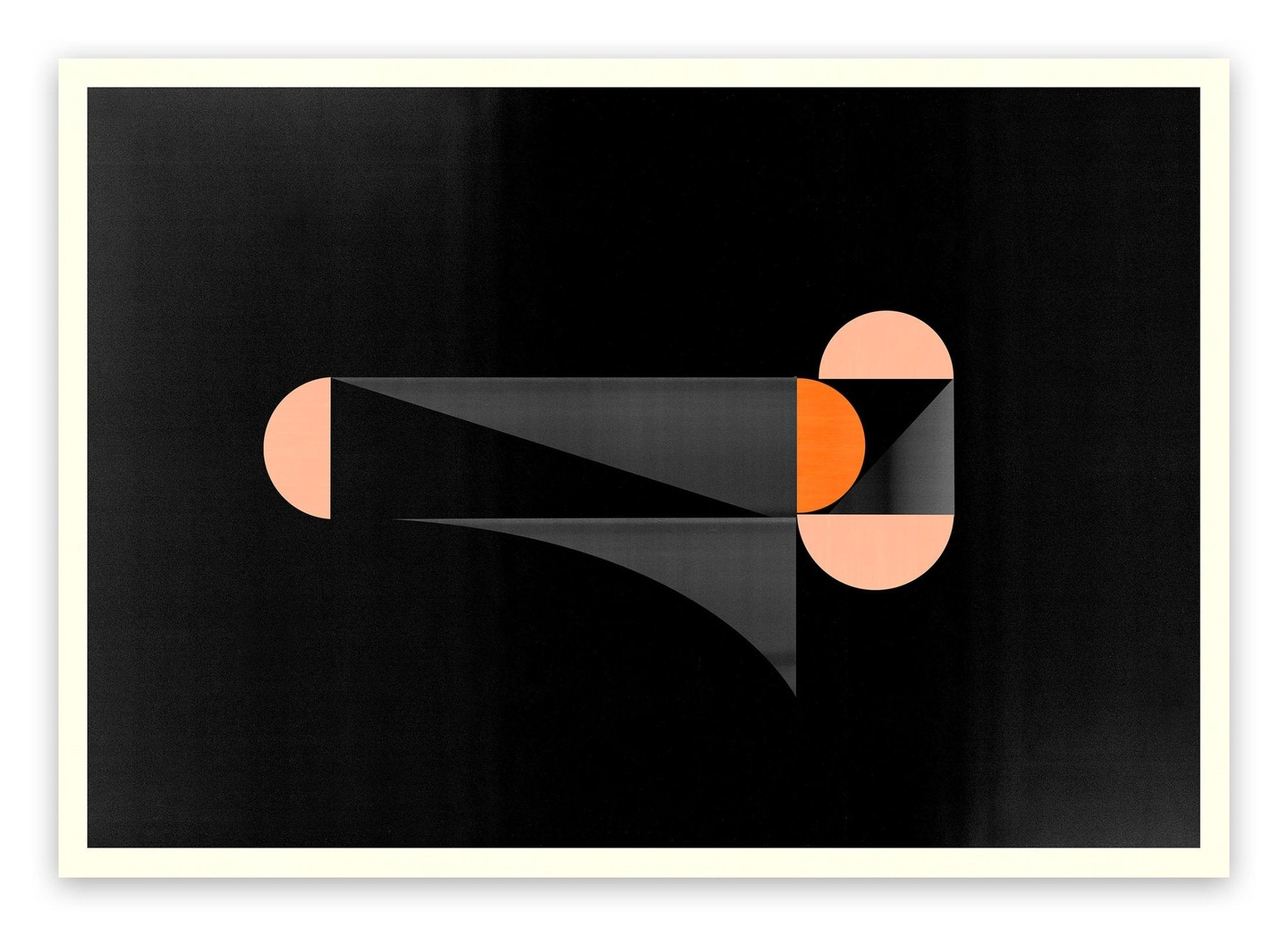
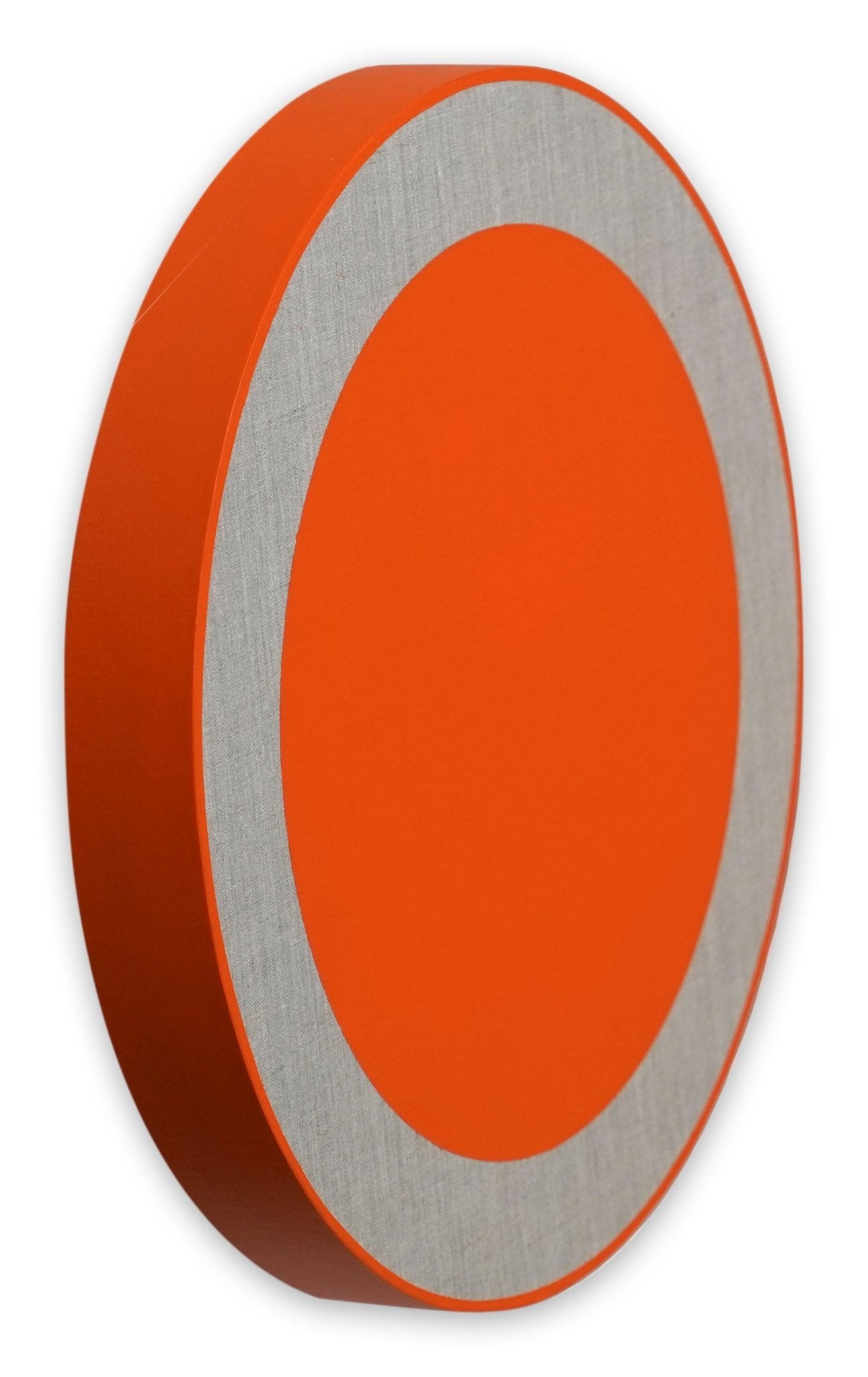
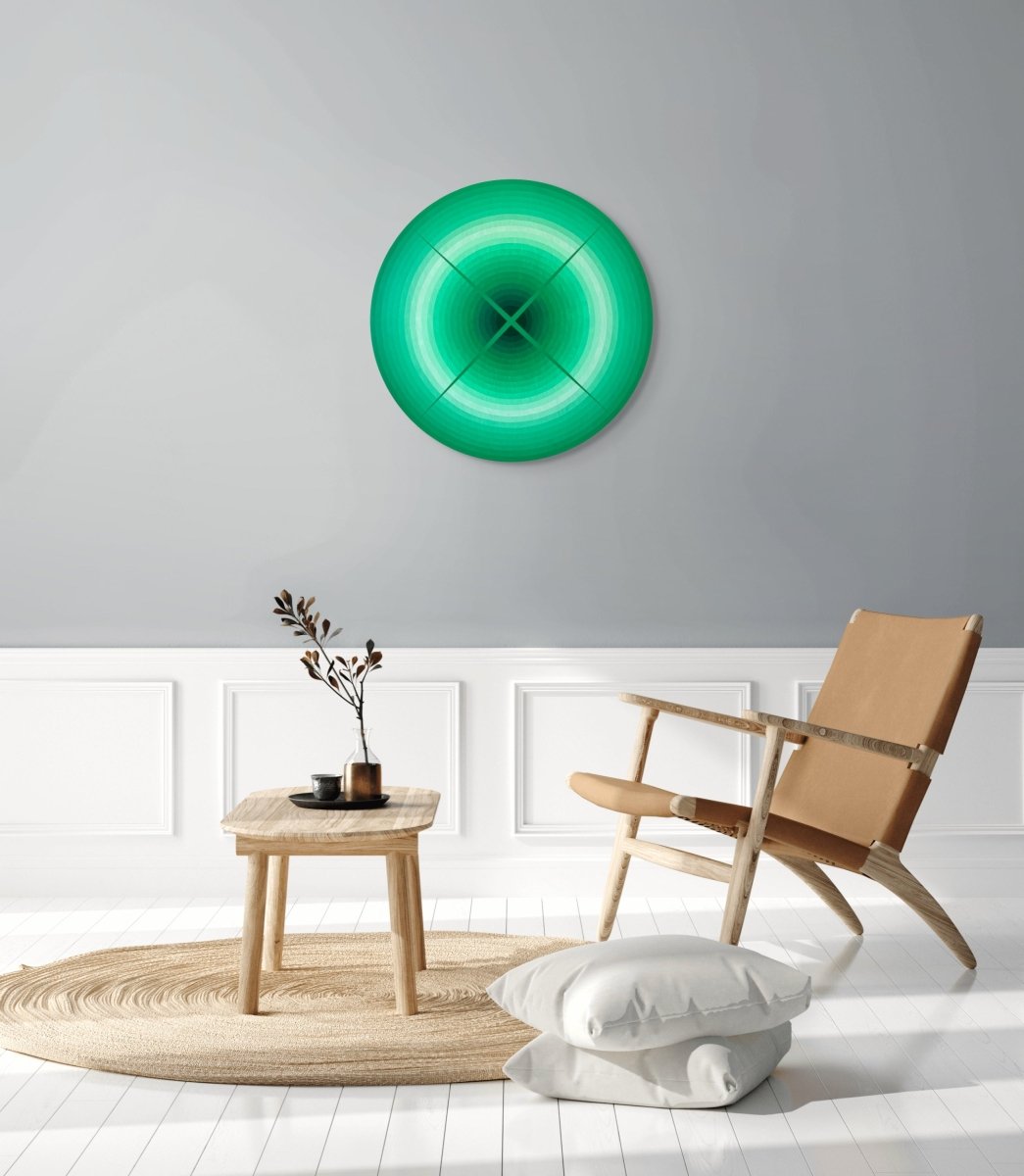
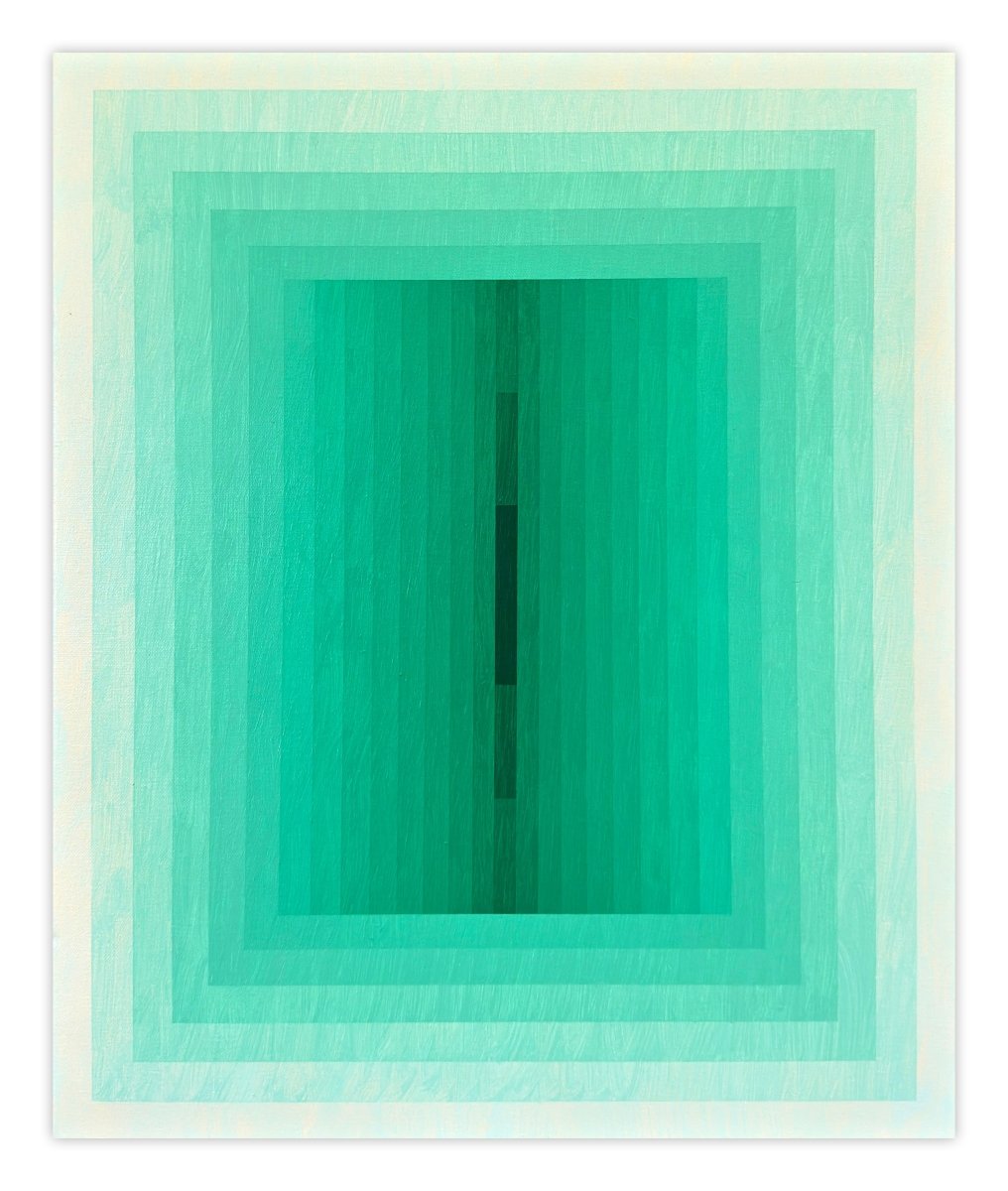
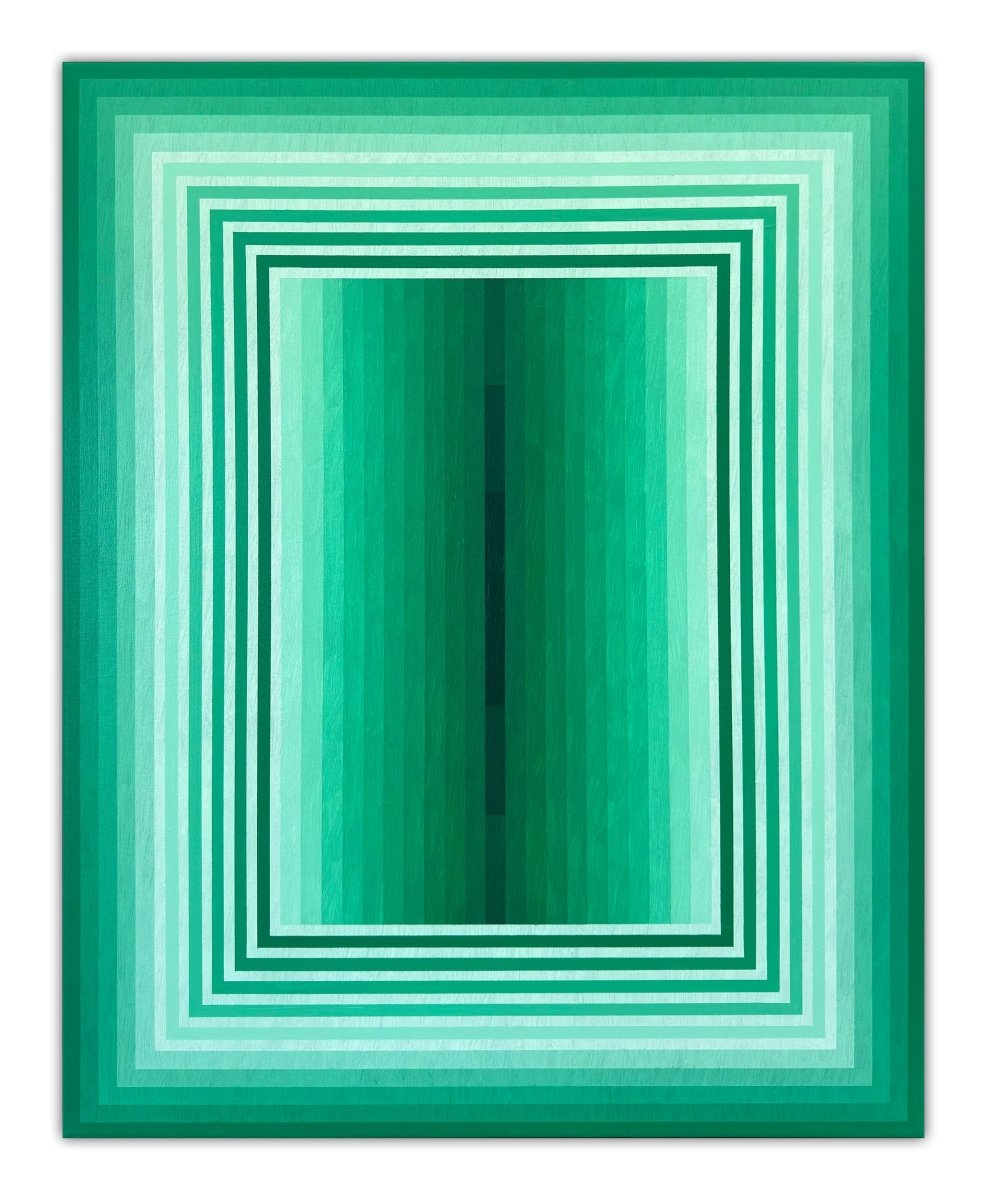
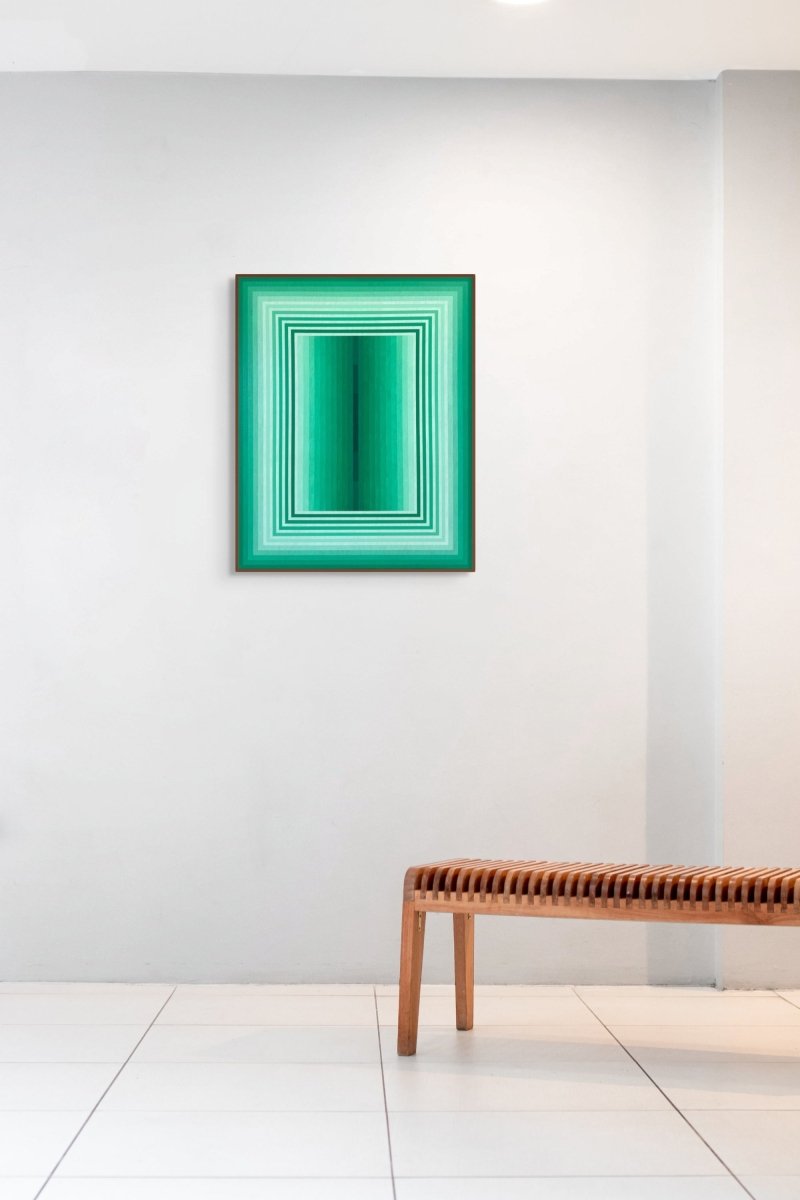
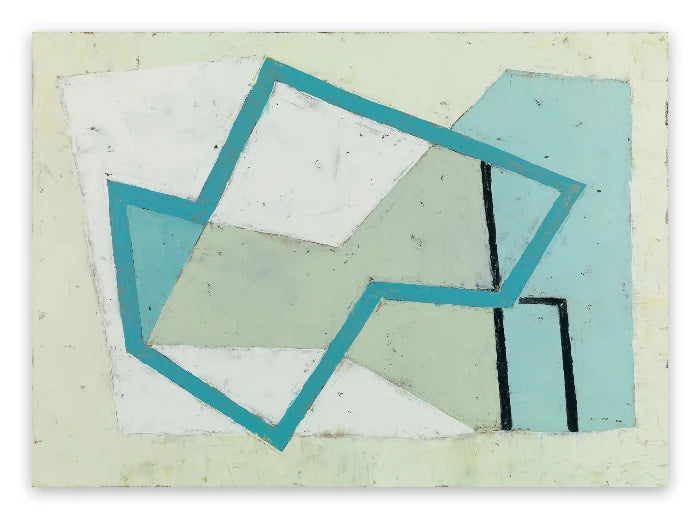
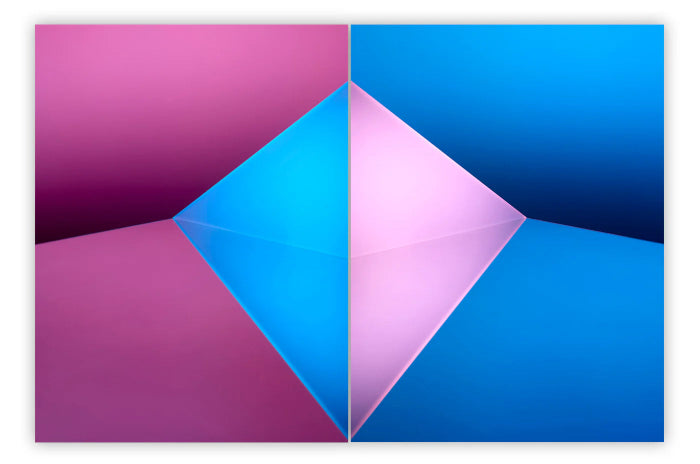
Translating Vasarely’s historic focus on optical movement, grids, and democratic creation into the modern age, many contemporary abstract artists at IdeelArt continue to push the boundaries of how the human eye processes light, space, and motion. While we will not expand extensively on their individual practices here, having recently explored their work in depth in our comprehensive editorial, Op Art: The Perceptual Ambush and the Art That Refuses to Stand Still this curated selection represents some of the most exciting perceptual masters working today:
-
Cristina Ghetti: Employs pulsing geometric rhythms and calculated chromatic vibrations to create painted canvases that appear to physically expand and shift under the viewer's gaze.
-
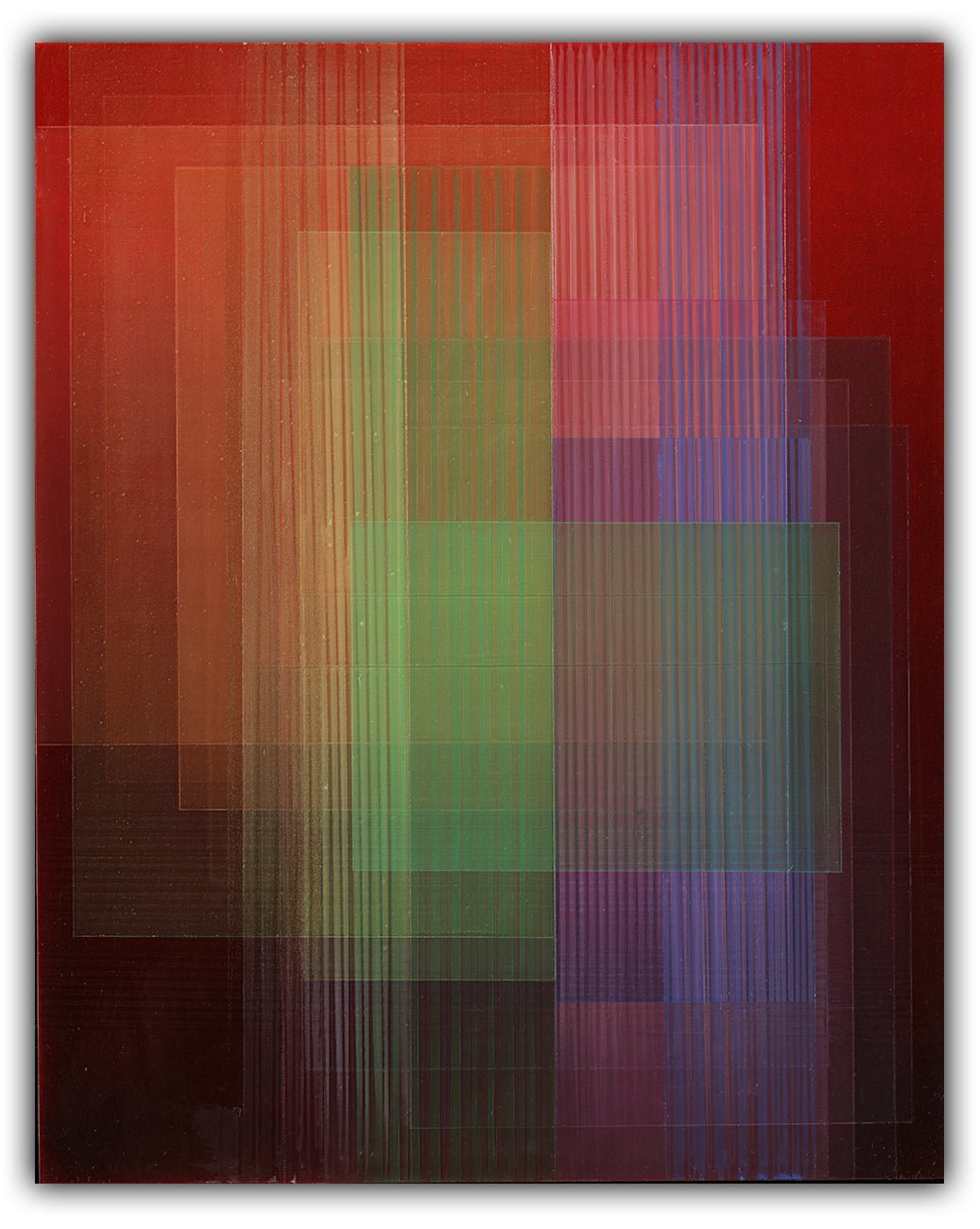
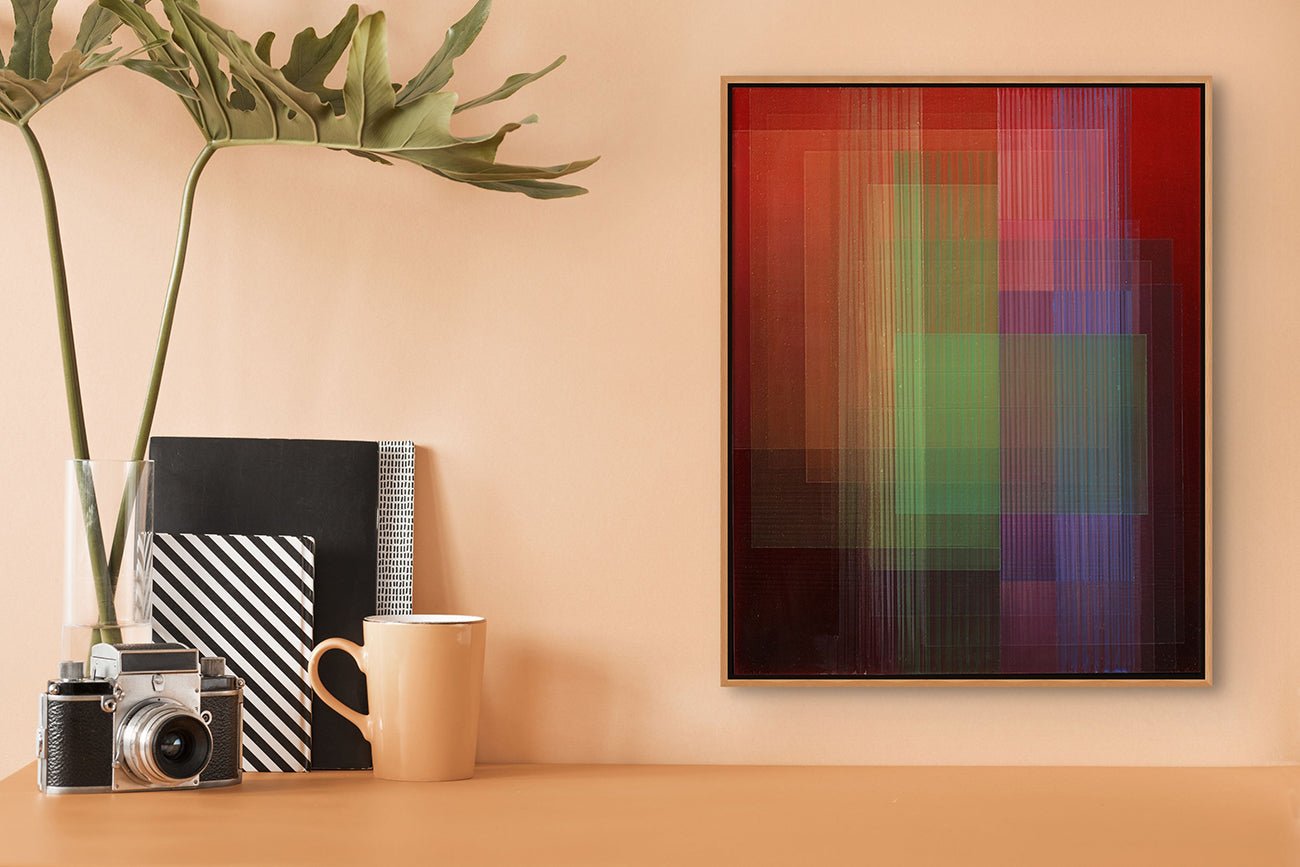
Andy Harwood: Deploys meticulous translucent gradients and sharp masking in his Mesmerism series to keep the eye in a state of continuous visual flux.
-
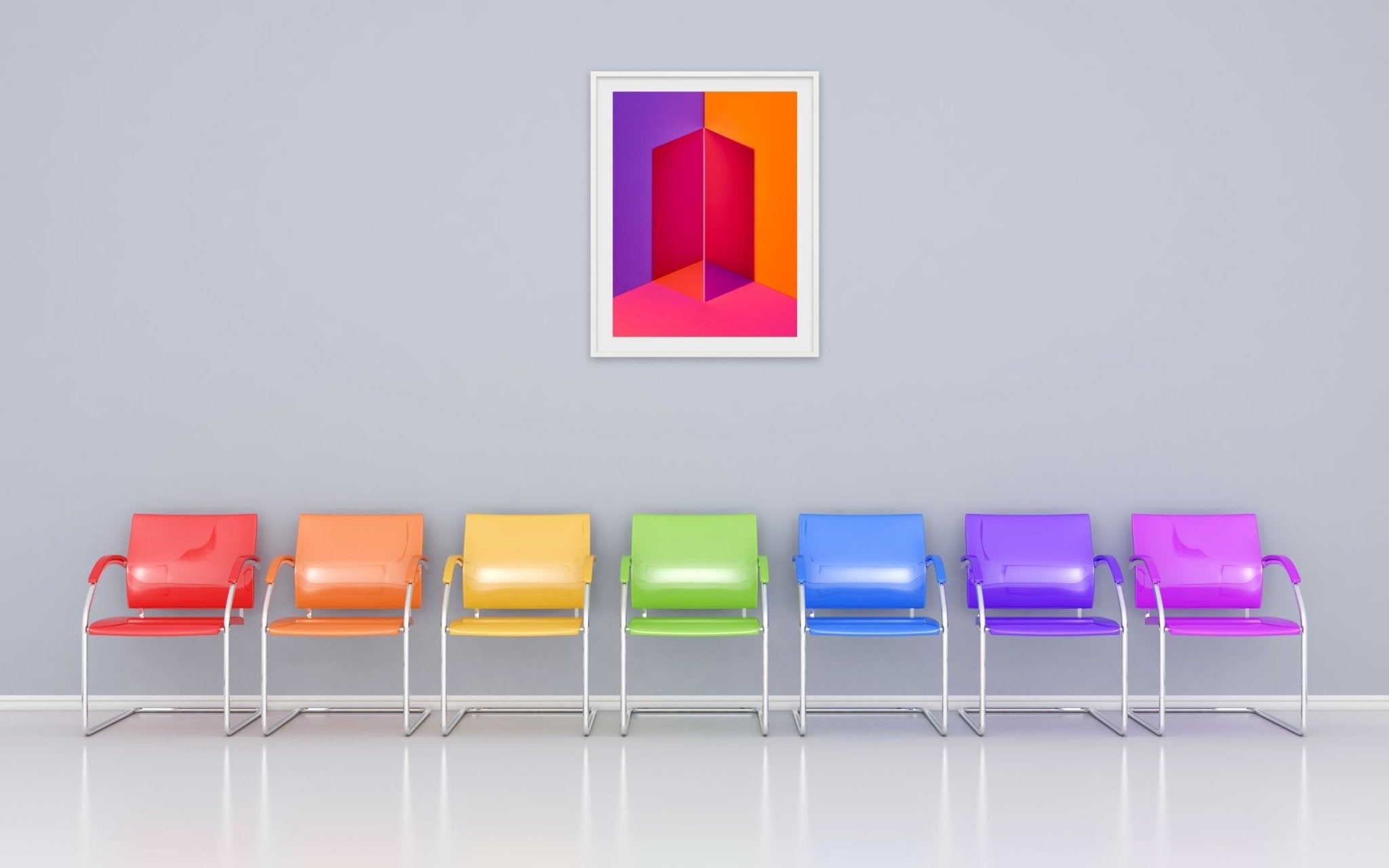
Sebastiaan Knot: Reinvents optical illusion in the studio, photographing physical geometric structures sculpted purely through the intersection of colored light beams.
-
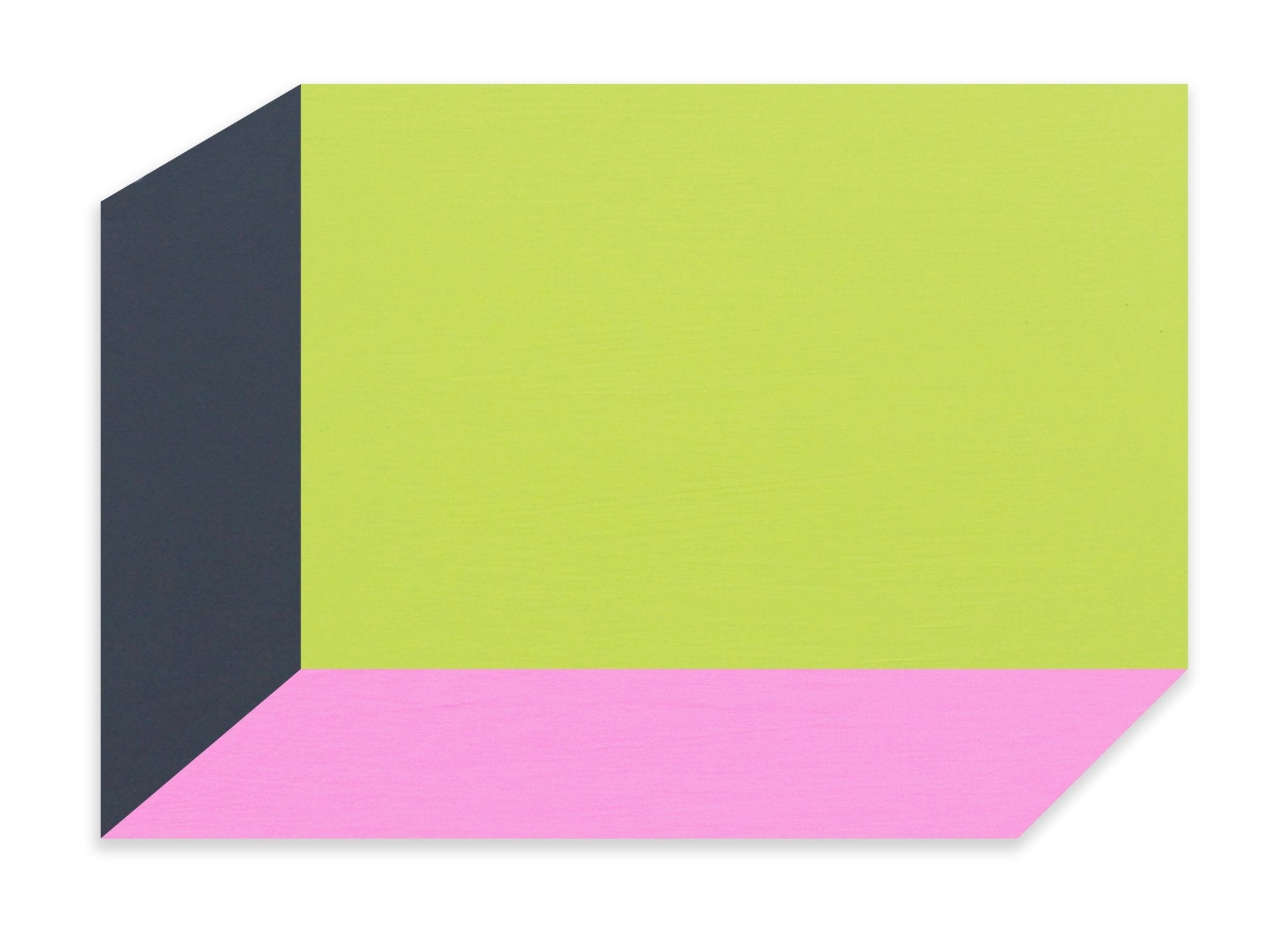
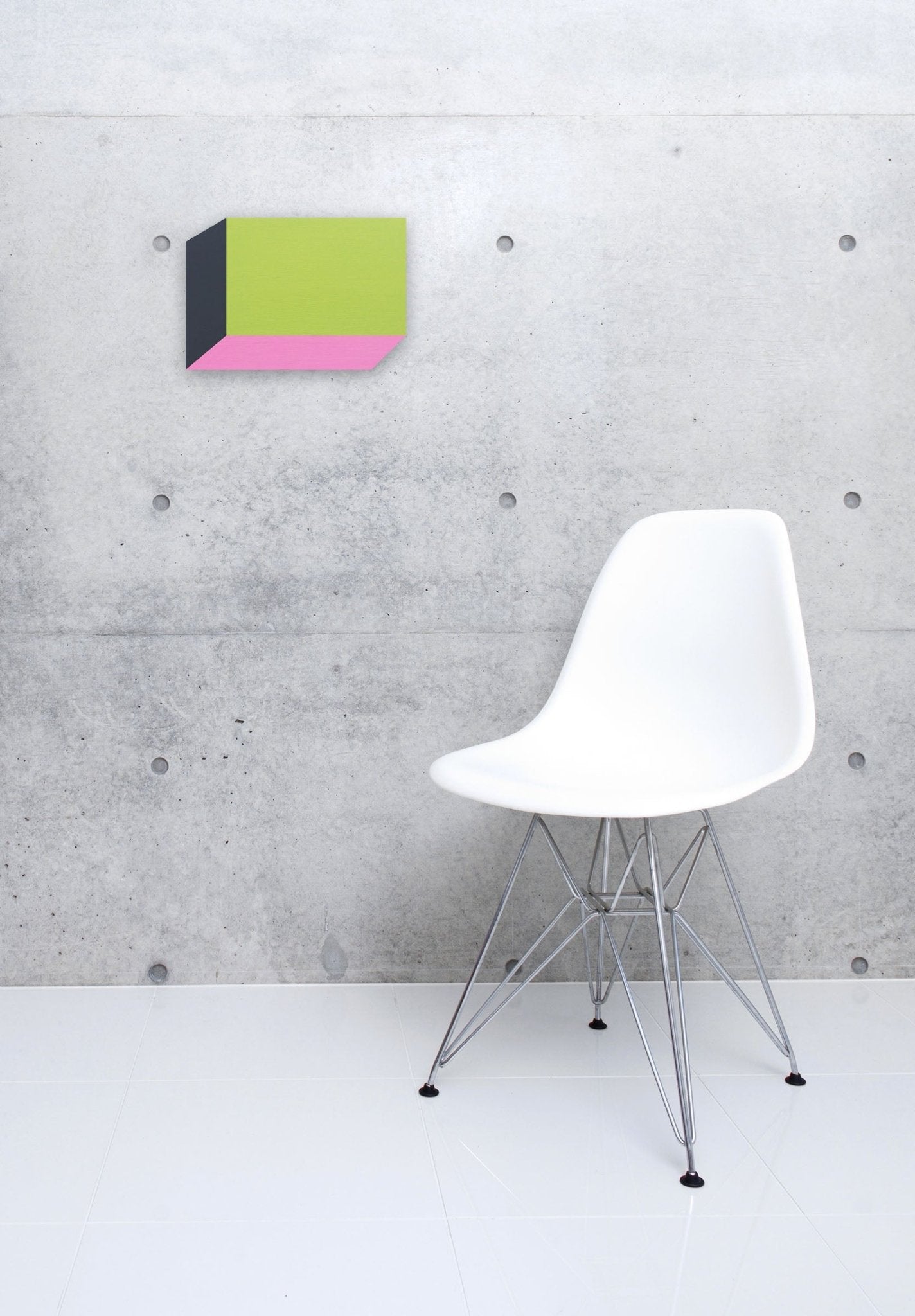
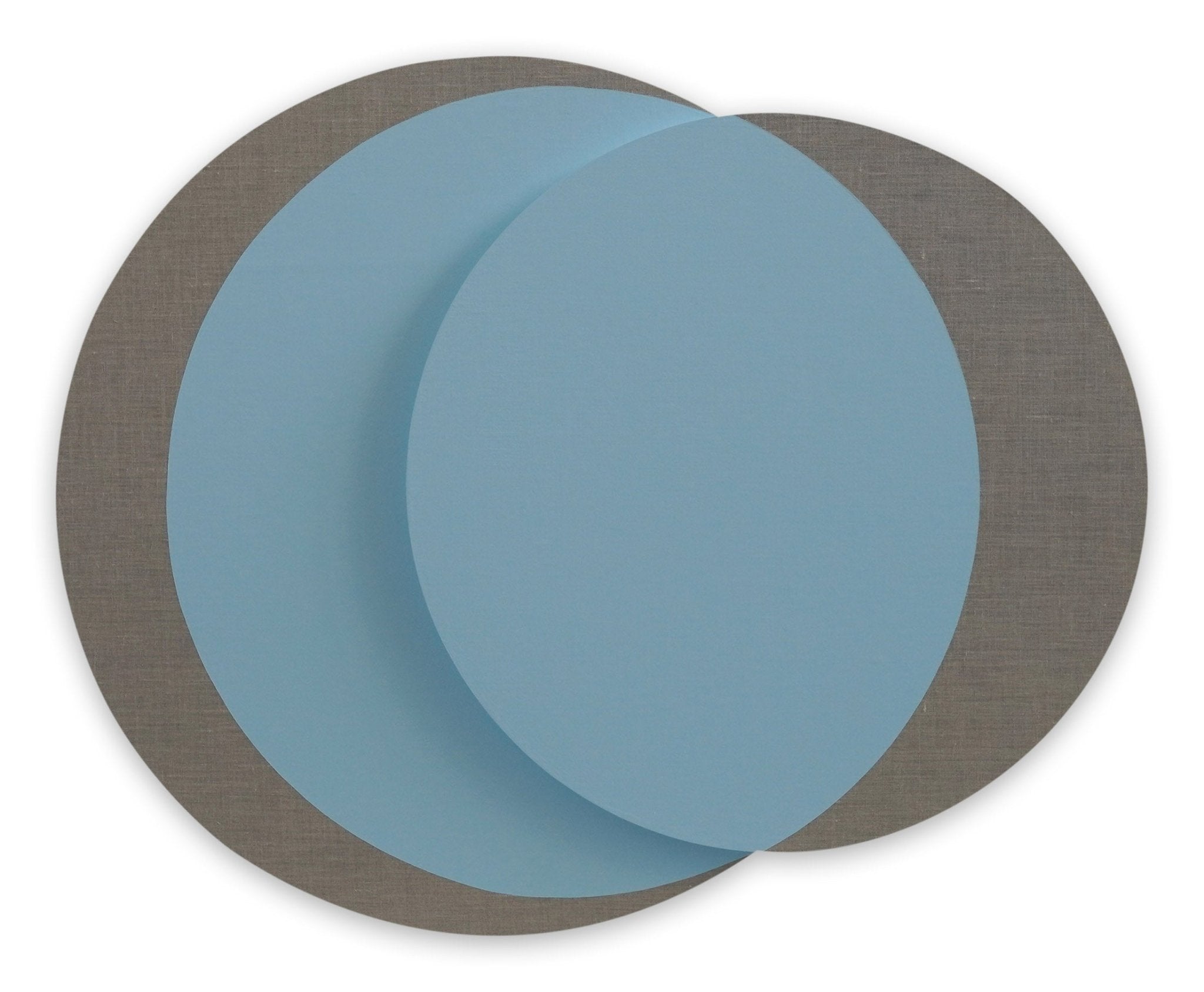
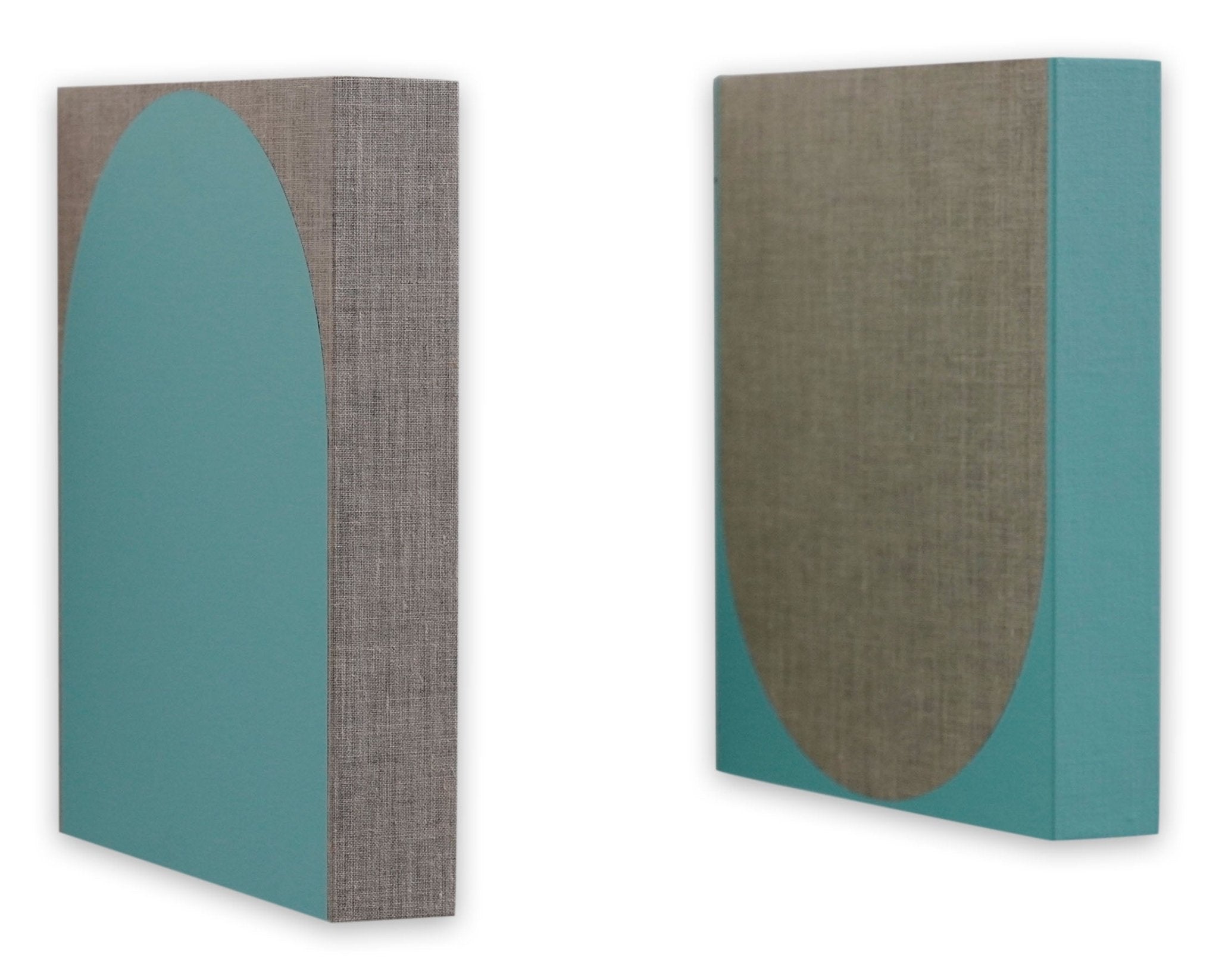
Louise Blyton: Frees optical abstraction from the flat frame by crafting shaped three-dimensional linen canvases coated with velvety, raw pigments.
-
Jesus Perea: Composes meticulously balanced, architectural geometric shapes that toy with shadow, depth, and spatial orientation on flat planes.
-
Bernadette Jiyong Frank: Overlays dozens of micro-thin, translucent bands of color to capture the shifting, luminous refractivity of light.
-
Brent Hallard: Employs sharp masking and highly saturated monochrome surfaces that push the limits of geometric tension and hard-edge visual vibration.
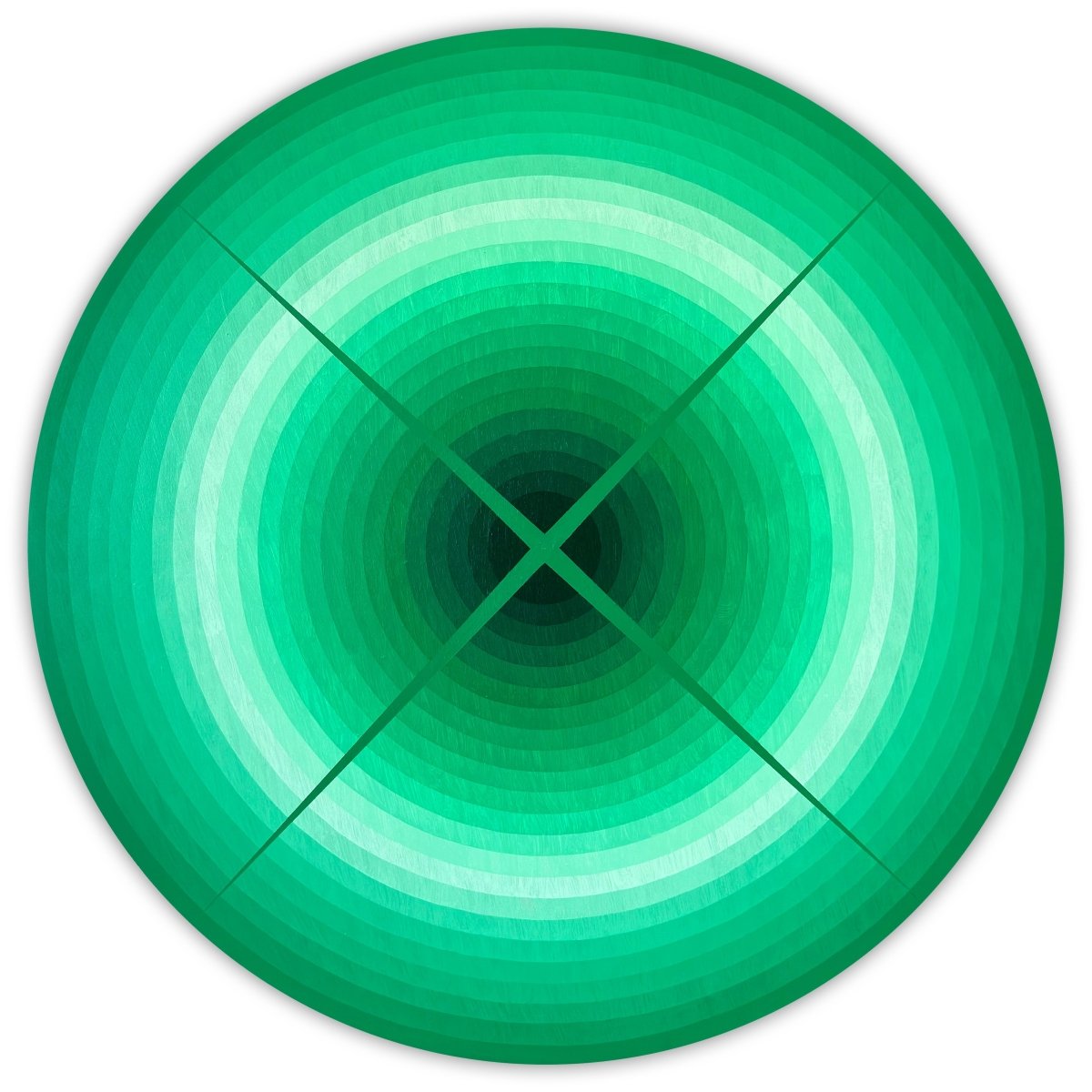
Featured Image: Victor Vasarely - Universal Structure, Vega Period (1968 onward), DETAIL, © Victor Vasarely
All images used for illustrative purposes only
By Phillip Barcio (2016) and Francis Berthomier (2026)

F Berthomier (IdeelArt co-Founder) at Fondation Vasarely - 2022 - ©F Berthomier

C Thomas (IdeelArt co-Founder) at Fondation Vasarely - 2022
- ©F Berthomier
FAQ: Victor Vasarely and the Foundation of Op Art
1. Why is Victor Vasarely considered the "father of Op Art"?
While other historical avant-garde artists experimented with optical patterns, Victor Vasarely was the first to systematically develop, theorize, and popularize optical and kinetic effects as a dedicated movement. His participation in the historic 1955 exhibition Le Mouvement and his writing of the Yellow Manifesto laid the formal and conceptual blueprints for what the world would soon call Op Art.
2. How did Vasarely's early medical training influence his art?
Vasarely spent two intensive years studying medicine at the Budapest Faculty before turning to art. This clinical education gave him a lifelong, deeply analytical approach to human anatomy, light refraction, and physical neurology — leading him to approach the canvas as a laboratory rather than an emotional outlet.
3. What is the "Plastic Alphabet" (Alphabet Plastique)?
Developed in the 1960s, the Plastic Alphabet was a standardized visual language combining basic geometric shapes (circles, squares, triangles) with precise color scales within modular units. It could generate an infinite number of unique compositions, prefiguring modern digital pixels and algorithms.
4. What was the "Yellow Manifesto" (Notes pour un Manifeste)?
Written for the landmark 1955 exhibition Le Mouvement in Paris and printed on bright yellow paper, this text declared traditional notions of static painting and sculpture to be outdated. Vasarely argued that artwork should be a "plastic sensibility in motion," completed solely through the physiological response of the spectator.
5. Why did Vasarely declare his biomorphic phase to be the "wrong path"?
During a vacation in Brittany in the late 1940s, Vasarely moved temporarily into biomorphic abstraction. While he later dismissed this as a detour, it introduced organic curves and spheres into his grid systems — enabling the bulging, dynamic three-dimensional illusions that defined his signature Op Art style.
6. What was Hungary's Műhely Academy, and how did it shape Vasarely's work?
Known as the "Hungarian Bauhaus," the Műhely Academy taught the integration of fine art, graphic design, geometry, and functional architecture. Studying there in 1929 introduced Vasarely to strict geometric principles of constructivism that formed the bedrock of his career.
7. What is the relationship between Niels Bohr's atomic model and Vasarely's paintings?
Bohr's model of the atom — a nucleus surrounded by concentric orbiting rings — directly inspired Vasarely's frequent use of nested circles, expanding spheres, and rhythmic geometric grids throughout his career.
8. What is the meaning behind Vasarely's motto "Art for All"?
Vasarely rejected the elitism of the traditional art market. He believed fine art should be integrated into daily life and embraced mass reproduction of his optical patterns on clothing, textiles, postcards, and building facades.
9. Why is Vasarely's "Zebra" (1937) considered a milestone in art history?
Zebra consists of two interlocking figures composed entirely of contrasting black and white curved stripes, with no outlines or background. The illusion of volume and motion is generated purely by the optical interaction of the stripes — making it one of the earliest true precursors to Op Art.

10. How did Vasarely's day job as a graphic designer shape his fine art?
Fourteen years of commercial graphic work required visual clarity, sharp lines, high contrast, and printing precision. This refined his technical skills and taught him to manipulate visual weight — which he later applied to ensure his optical illusions were physically flawless.
11. What is the Vasarely Foundation in Aix-en-Provence?
Inaugurated in 1976, the Vasarely Foundation is a custom-designed architectural complex housing 44 monumental optical installations integrated directly into the walls — realizing Vasarely's dream of bringing abstract geometric art into a permanent three-dimensional architectural environment.
12. How does Vasarely's Plastic Alphabet prefigure digital art?
The Plastic Alphabet functions exactly like modern computer pixels and vector graphics. Decades before personal computers, Vasarely was effectively "programming" his canvases through logic, binary structures, and systematic reproduction.
13. What is the difference between Op Art and Kinetic Art?
- Kinetic Art involves actual physical movement via wind, motors, or magnets.
- Op Art involves physiological movement — the static painting triggers visual fatigue and retinal vibration in the viewer's eye, creating the illusion of movement.
14. Why did Vasarely prioritize "multiples" over unique canvas paintings?
Vasarely championed screenprints and industrially produced editions to sell high-quality optical works at accessible prices, spreading his "Art for All" philosophy globally.
15. How should collectors care for and preserve Victor Vasarely's original silkscreens?
- UV Protection: Frame behind UV-filtering acrylic or glass; avoid direct sunlight.
- Humidity Control: Maintain 40–60% humidity to prevent paper warping.
- Acid-Free Matting: Use museum-grade, acid-free mats and backing boards only.
BUY OP ART ON IDEELART (A SELECTION)